
Electrical Repair in the USA
Masters Electric responds to Electrical Repair calls when circuits fail or outlets stop working. Our technicians begin by isolating the affected branch at the panel and testing for continuity before any further steps. They check for heat at connections with infrared tools and verify proper grounding to prevent further issues.
Common faults include loose neutral wires that create flickering or burned insulation from overloaded runs. Technicians pull damaged cable sections when needed and install new conductors sized to the circuit load. All work follows current code requirements for conductor ampacity and box fill. When facing power problems, reach out to Masters Electric specialists handling electrical repair nationwide in the USA.
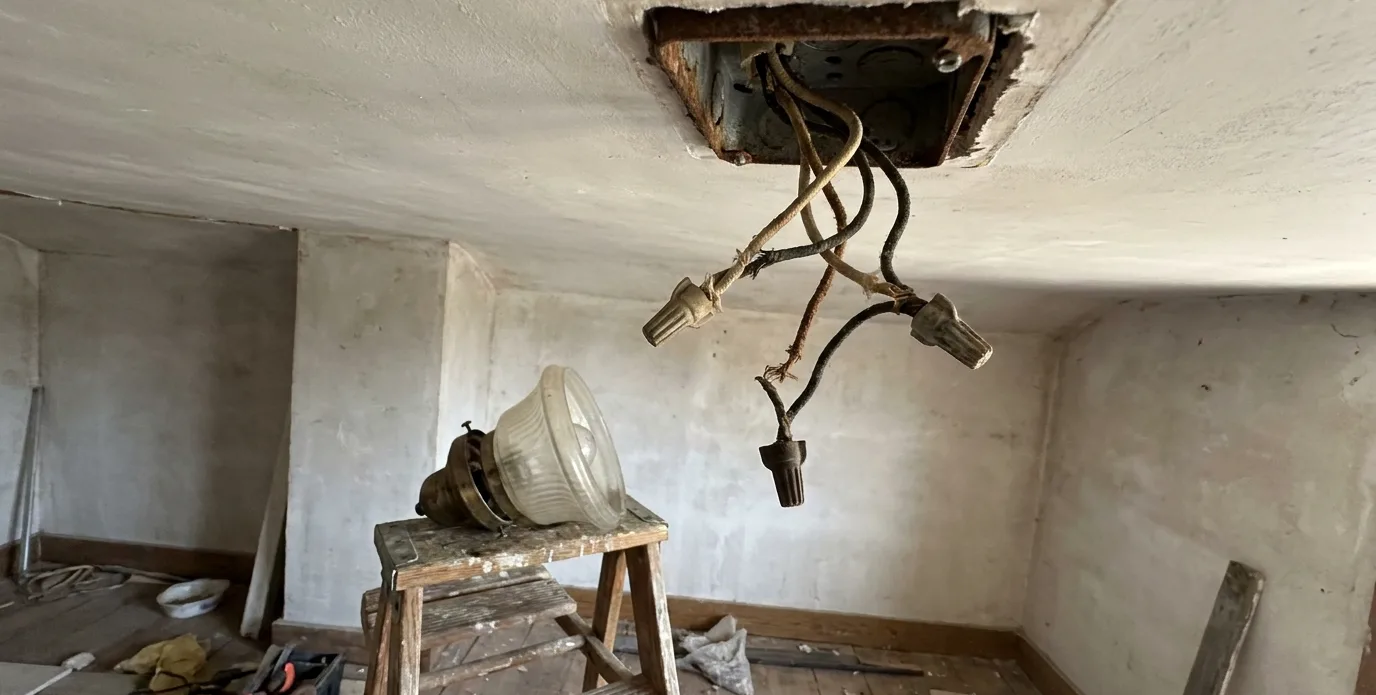
Warning Signs Requiring Immediate Attention
- Outlets feel warm when devices are plugged in
- Breakers trip repeatedly on the same circuit
- Lights dim or flicker under normal load
- Burning odor comes from a switch or outlet
- Sparks appear when inserting a plug
Frequent Causes Behind Electrical Repair Needs
Overloaded circuits often result from added appliances without upgraded wiring. Aluminum branch wiring installed decades ago can loosen at terminations and create high-resistance points that generate heat. Rodents chewing through insulation also leads to short circuits that trip breakers or start small arcs.
Moisture intrusion in outdoor boxes corrodes contacts and raises resistance until failure occurs. Our technicians trace these paths with multimeters and clamp meters to find the exact location of the drop in voltage.
Improper splices hidden in walls behind added fixtures create intermittent faults that surface only under load.
Tools and Measurements During Diagnosis
Technicians first shut off the main breaker when a hot smell is reported and never touch suspect devices. They use non-contact voltage testers to confirm zero energy before removing covers. Inside the panel they measure each breaker for proper seating and test torque on lugs.
Voltage drop tests across outlets reveal undersized conductors or loose neutrals. Thermal cameras identify warm junctions behind walls without demolition. Continuity checks on grounds confirm a low-impedance path back to the service.
These readings guide whether the repair stays at the device level or requires pulling new cable.
Repair Methods and Replacement Parts
Simple outlet or switch failures are resolved by replacing the device with a new specification-grade unit and tightening all terminals to manufacturer torque values. When wiring insulation is brittle or charred the run is replaced with new THHN conductors in the existing raceway if space allows.
Panel repairs may involve installing new breakers of matching amperage and type or adding a subfeed lug kit for added capacity. All splices receive twist-on connectors rated for the wire size and are enclosed in properly sized junction boxes.
Surge protective devices are added at the panel during repair when repeated failures trace to transient spikes.
Safe Steps Before Technicians Arrive
Locate the tripped breaker and leave it off if the circuit controls the affected area. Unplug all loads from outlets showing warmth or discoloration. Avoid resetting a breaker more than once if it trips again immediately.
Do not remove panel covers or attempt to test wiring with household tools. Keep occupants away from any device emitting odor or visible charring until power is isolated.
Note which lights and outlets share the problem so the technician can map the circuit quickly upon arrival.
Electrical Repair questions
How do technicians find hidden wiring faults?
They start at the panel with voltage and continuity meters then move outward testing each outlet and junction. Infrared imaging reveals warm spots behind walls while voltage drop measurements show undersized or damaged conductors without opening every box.
What parts are typically replaced during Electrical Repair?
Failed devices such as outlets and switches are swapped for new ones. When insulation is damaged new conductors are pulled. Breakers showing signs of arcing are replaced and connections are retorqued to spec.
Can a homeowner safely reset a tripped breaker?
Only once after unplugging loads from the circuit. If the breaker trips again leave it off and contact Masters Electric. Repeated resets can allow a fault to worsen into a fire hazard.
Why does Electrical Repair sometimes require new cable?
Old conductors with brittle insulation or aluminum terminations that have oxidized create ongoing hazards. Replacing the run with copper THHN restores safe ampacity and eliminates high-resistance points that cause heat.
Contact Masters Electric for Electrical Repair
Call now when power fails or a breaker will not reset. Our technicians arrive prepared with diagnostic tools and replacement parts.