
Surge Protection in the USA
Masters Electric technicians respond to surge events by first confirming power is off at the main breaker if burning odors or melted plastic are present. Homeowners must avoid touching any outlets or panels until voltage has been verified safe. Internal surges from large appliances cycling on can damage sensitive electronics even without visible signs. Whole-home surge devices clamp voltage above 330 volts while point-of-use units add secondary layers at specific receptacles.
Grid switching by utilities and distant lightning strikes send transient spikes through service entrance conductors. These events bypass standard breakers because they last only microseconds yet carry thousands of volts. Masters Electric crews measure grounding electrode resistance and inspect the neutral-to-ground bond before recommending placement of surge protective devices rated at 50 kA or higher. In cases of surge protection failure Masters Electric provides assistance across the USA.
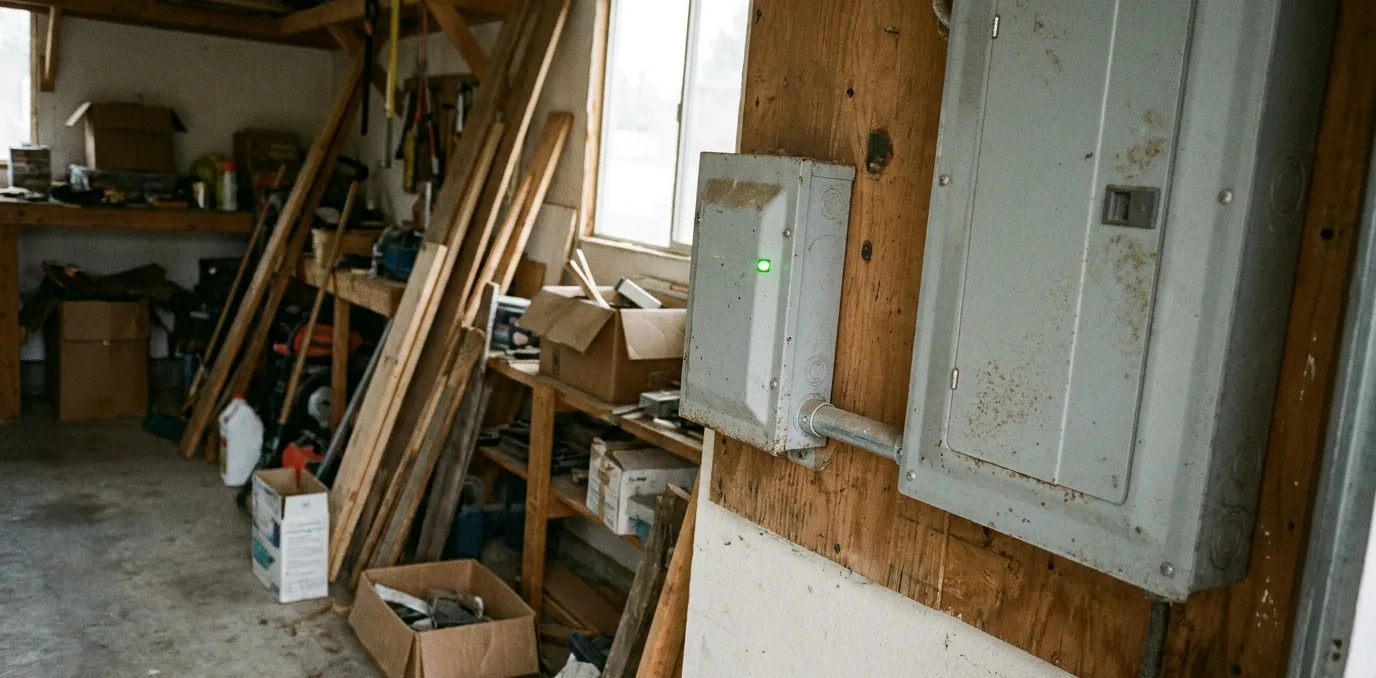
Warning Signs of Surge Damage
- Burn marks or discoloration around outlet faceplates after a storm.
- Electronics resetting or failing without any breaker trip.
- Repeated breaker trips when large motors start.
- Flickering lights that persist after bulbs are replaced.
- Warm or buzzing sounds from the main service panel.
Common Causes of Electrical Surges
Utility capacitor bank switching creates brief overvoltages that travel along overhead lines into the service drop. These spikes often exceed 1,000 volts and stress insulation on branch circuits. Masters Electric crews trace the path from the meter base to determine whether the surge originated externally or inside the structure from HVAC compressors or well pumps.
Direct or nearby lightning induces high-frequency currents on wiring even when no strike hits the building. The induced voltage can flash over at panel bus bars or receptacle terminals. Technicians measure the impedance of the equipment grounding conductor because high impedance allows surge energy to seek alternate paths through data cables and plumbing.
Inspection Process by Masters Electric Technicians
Technicians begin at the service entrance and verify the presence and condition of any existing surge protective device using a CAT III multimeter set to peak-hold. They record line-to-neutral and line-to-ground voltages under load and no-load conditions. The grounding electrode system is tested with a clamp-on ground tester to confirm resistance below 25 ohms where soil conditions allow.
Inside the panel, each breaker is removed and examined for carbon tracking or discoloration on the stabs. Metal oxide varistor status indicators on surge modules are checked for end-of-life color changes. Receptacles on dedicated circuits serving electronics receive outlet testers to detect reversed polarity that reduces surge device effectiveness.
Surge Protection Installation Choices
A Type 1 or Type 2 surge protective device mounts directly on the load side of the main breaker and diverts surge current to the grounding electrode. Masters Electric selects units with replaceable modules so only the depleted section needs exchange after a major event. These devices require a dedicated 60-amp breaker and 6 AWG copper conductors to handle the fault current path.
For additional layers, point-of-use protectors rated at 15 amps plug into individual receptacles or replace existing outlets. Coaxial and Ethernet surge modules protect communication lines entering the structure. All connections use torque screwdrivers set to manufacturer specifications to avoid loose terminations that create heat under surge conditions.
Homeowner Actions Before Technicians Arrive
If lights flicker or an odor is noticed, shut off the main breaker and unplug sensitive equipment from wall outlets. Do not reset breakers more than once because a persistent fault can cause arcing inside the panel. Keep a flashlight ready and avoid opening the service panel door until Masters Electric arrives.
Note which circuits were affected and whether the issue followed a storm or appliance startup. This information helps technicians isolate whether the surge entered through the service conductors or originated from an internal motor. Leave all affected devices unplugged until voltage and grounding have been confirmed safe.
Surge Protection questions
What creates power surges inside a home?
Large motors such as air conditioners and well pumps draw high inrush current when starting. This sudden demand causes voltage to sag and then rebound, stressing insulation on nearby circuits. Masters Electric measures motor starting current to determine whether additional surge capacity is needed at the panel.
How do technicians test an existing surge device?
They use a peak-hold meter to verify clamping voltage and inspect indicator windows for red or black color change. If the module shows end-of-life, the unit is replaced with one matched to the panel's available fault current. Grounding integrity is also rechecked because poor grounding reduces device performance.
Where is a whole-house surge protector installed?
It mounts between the meter base and the main breaker or on a dedicated breaker in the panel. Six-gauge copper leads connect it to the neutral and ground bus. Masters Electric confirms the device rating matches the service size before energizing the circuit.
Can homeowners safely check outlets after a surge?
No. Voltage should be verified off at the main breaker first. Use a non-contact voltage tester only after the breaker is confirmed open. Masters Electric recommends leaving all testing and panel access to trained technicians to avoid shock or arc flash.
Schedule Surge Protection Service
Masters Electric installs and inspects surge devices across the USA. Call to have technicians evaluate your panel and grounding.