Skip to content
Emergency Electrician · the USA(888) 207-3104
Call (888) 207-3104

Our electrical services

When circuits fail or lights flicker our technicians begin at the service panel to measure voltage on each leg and inspect for heat marks on breakers or lugs. They isolate the affected branch before any homeowner touches wiring or resets devices that have already tripped.

Generator installation starts with a load calculation that lists every motor and appliance drawing starting current. Our teams verify transfer switch interlocks and fuel line routing so the system starts only when utility power is confirmed absent at the main lugs. Every service below is available from Masters Electric across the USA.

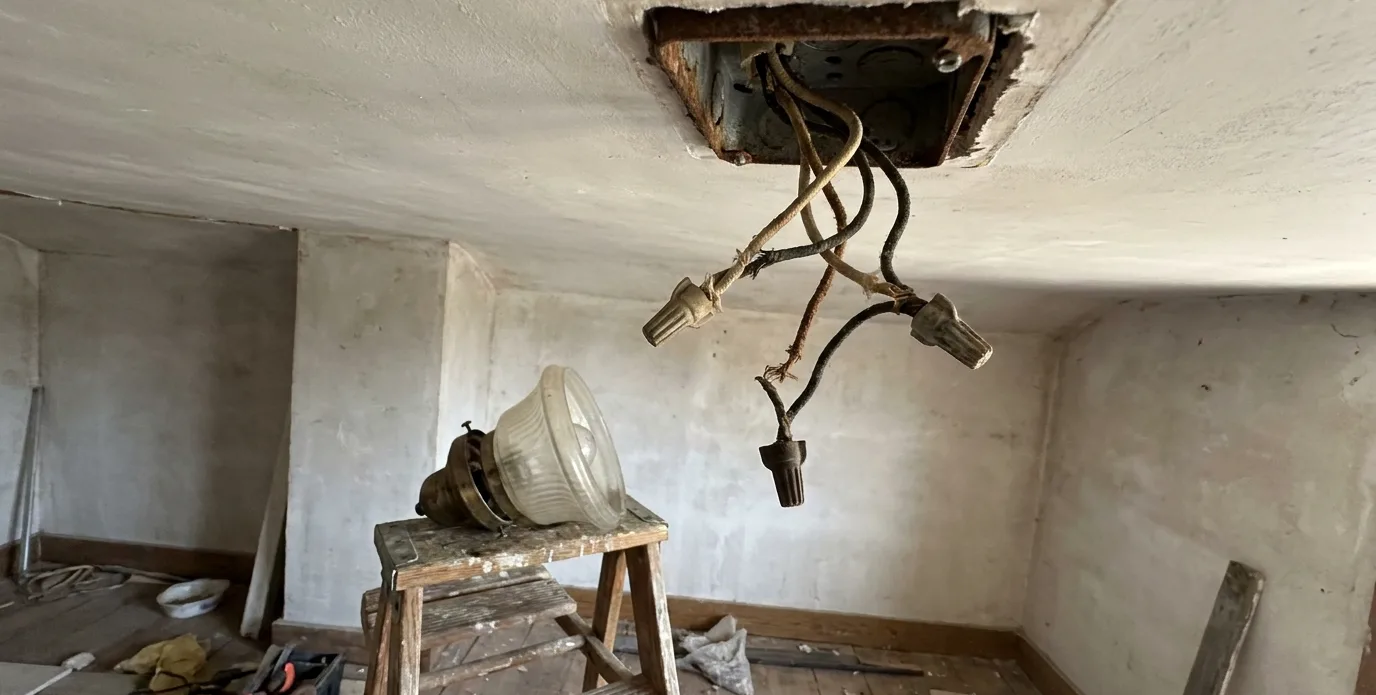
An open ceiling junction box

Electrical Repair

Technicians test continuity from the panel through each splice and device until the open or short appears. Before arrival a homeowner can safely switch off breakers for rooms that show no power while avoiding any panel cover removal or wire handling.

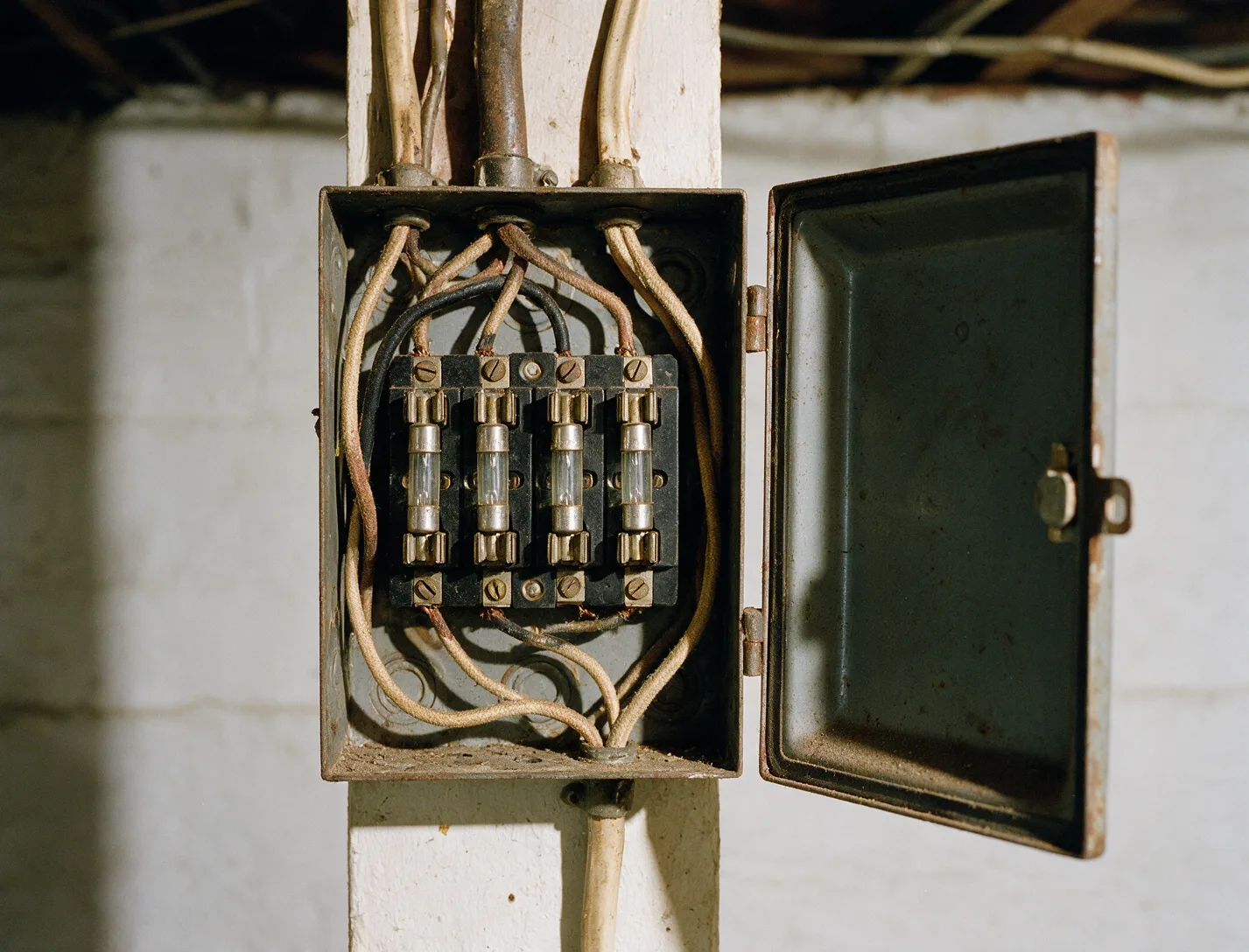
An old fuse box in a basement

Panel Upgrades

Upgrades begin with a demand calculation that accounts for new circuits plus existing loads on each phase. Crews pull the meter only after utility coordination and replace the enclosure while keeping all branch neutrals isolated from the new ground bus.

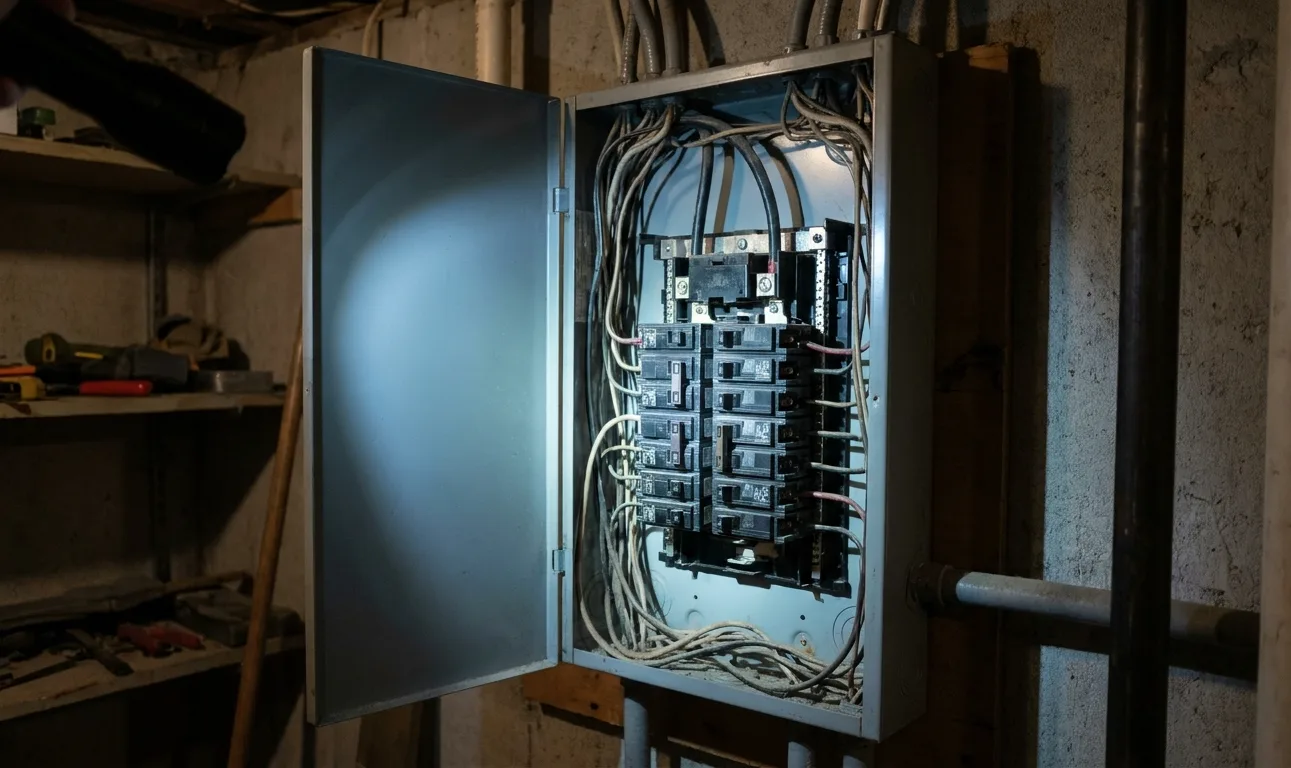
A tripped breaker in a panel

Circuit Breaker Repair

A breaker that will not reset usually indicates a short or overload downstream. Our technicians measure resistance on the branch with the breaker removed and locate the fault before installing any replacement to prevent repeated trips.

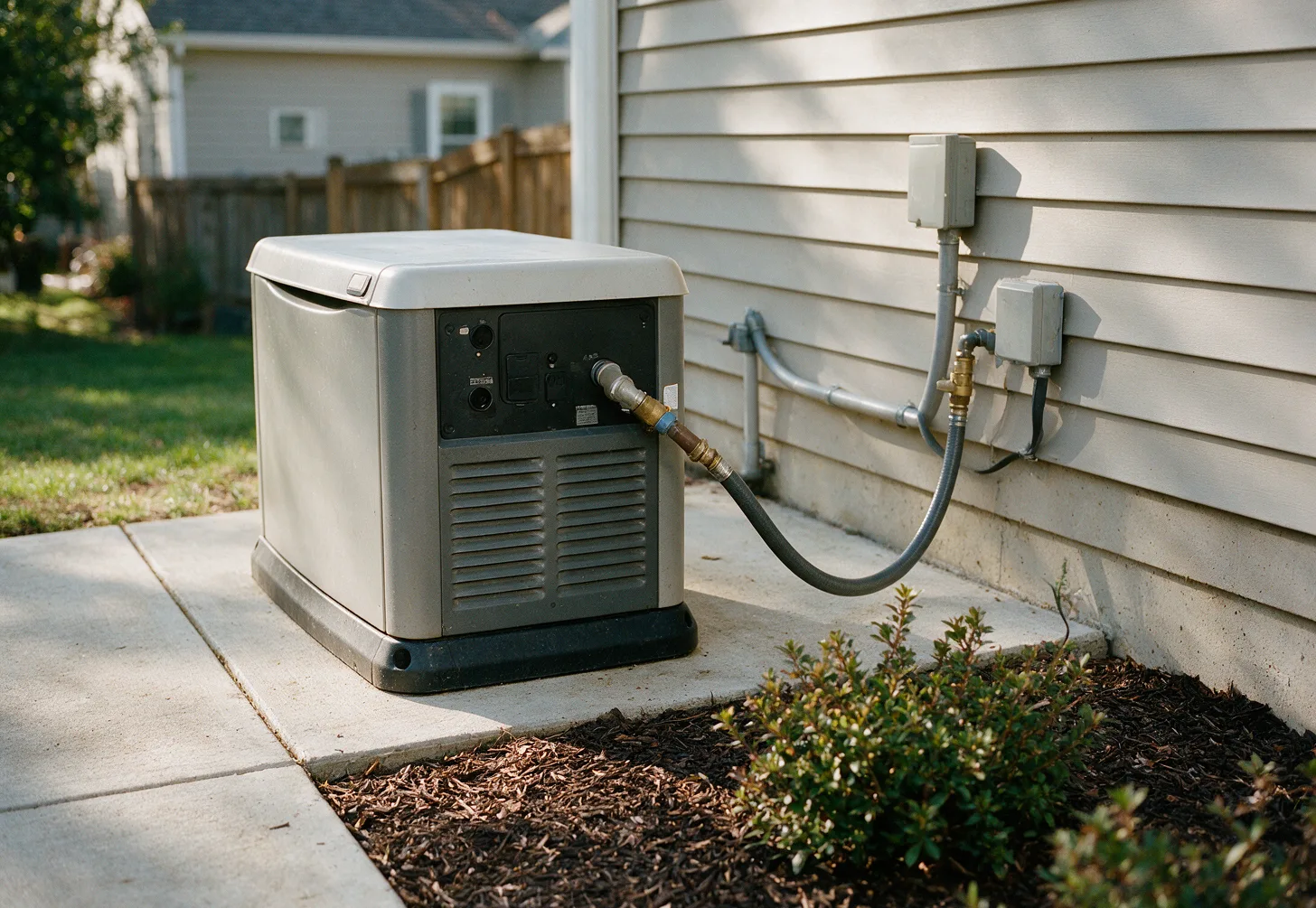
A standby generator beside a house

Generator Installation

Sizing requires adding running watts of motors and doubling for startup surge. Technicians mount the unit on a concrete pad level with the transfer switch and bond the frame to the existing grounding electrode without back-feeding the utility.

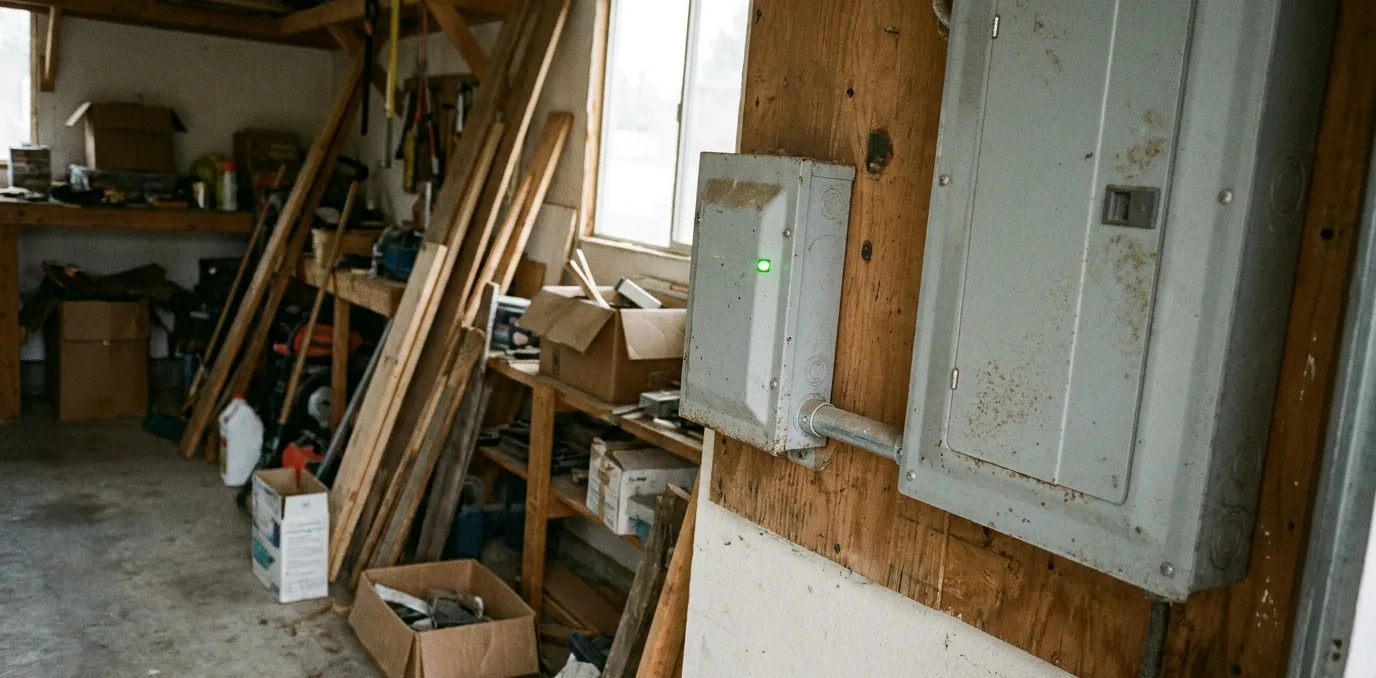
A surge device beside a panel

Surge Protection

Whole-house devices clamp at the panel and divert spikes before they reach sensitive electronics. Technicians confirm the neutral-to-ground bond is correct and test clamping voltage after installation to verify each MOV is still within tolerance.

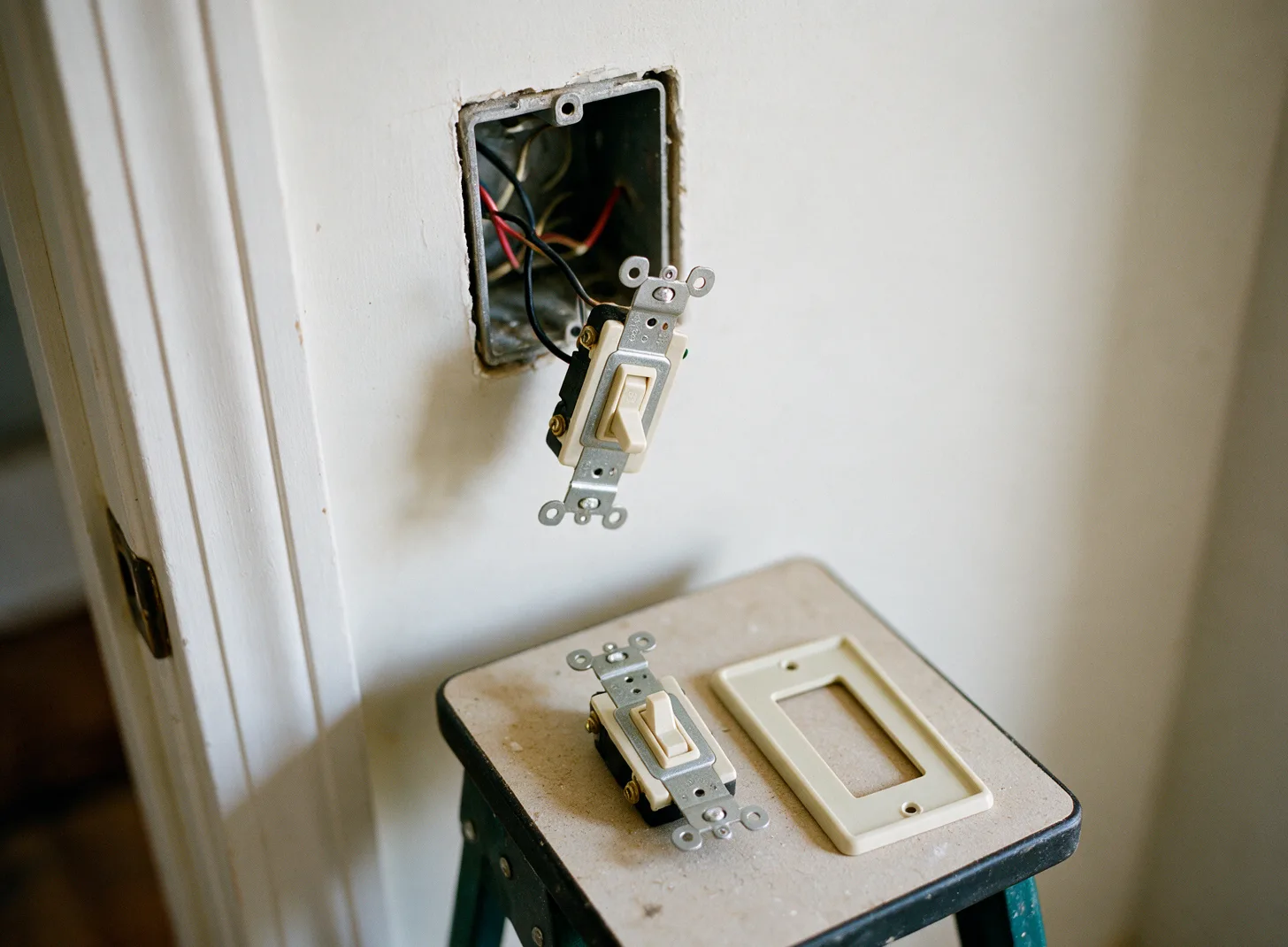
A loose light switch

Outlet and Switch Repair

Loose terminals cause heat and intermittent power. Technicians torque every screw on the device yoke and check wire insulation for nicks before restoring power. Homeowners can first verify voltage at the outlet with a non-contact tester only.

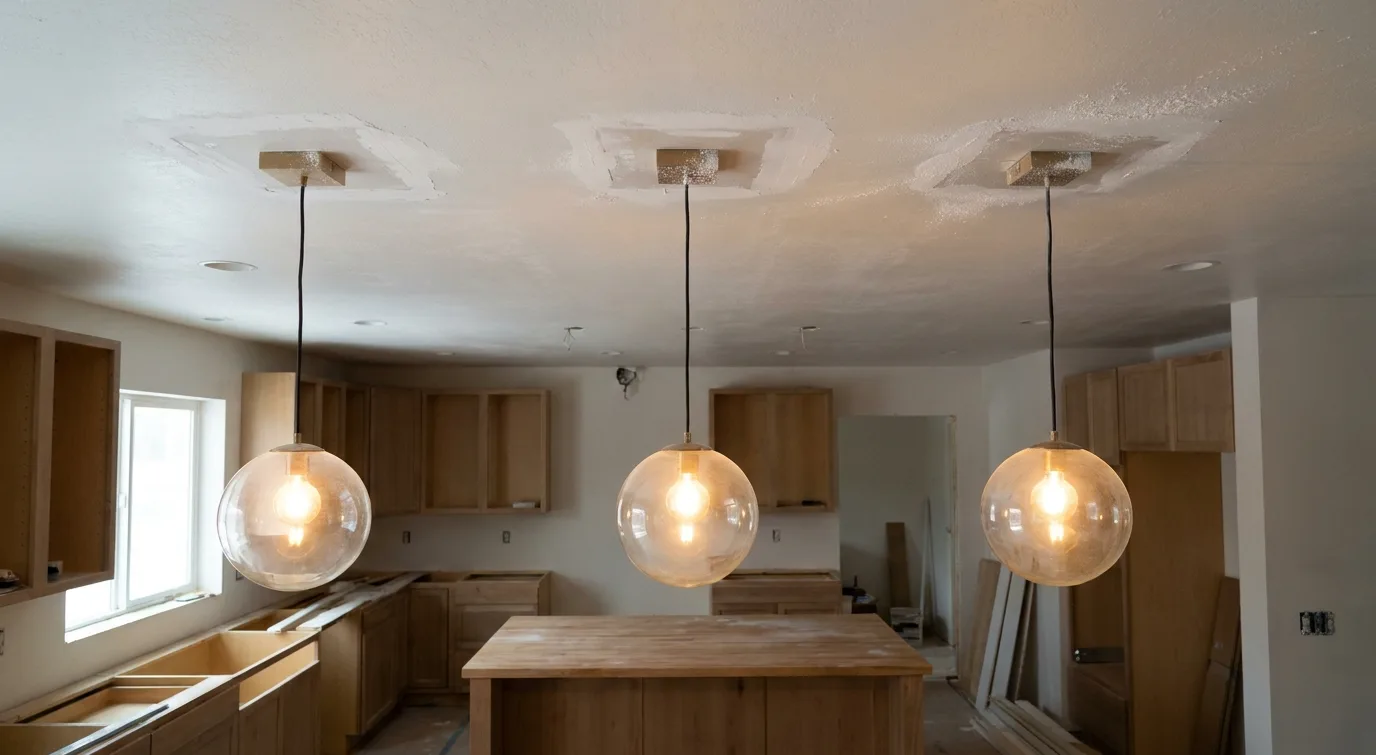
New pendants over an island

Lighting Installation

New fixtures require matching wattage to the branch circuit ampacity and confirming the box is rated for the fixture weight. Technicians secure the ground wire first then test each switch leg for proper polarity before energizing.

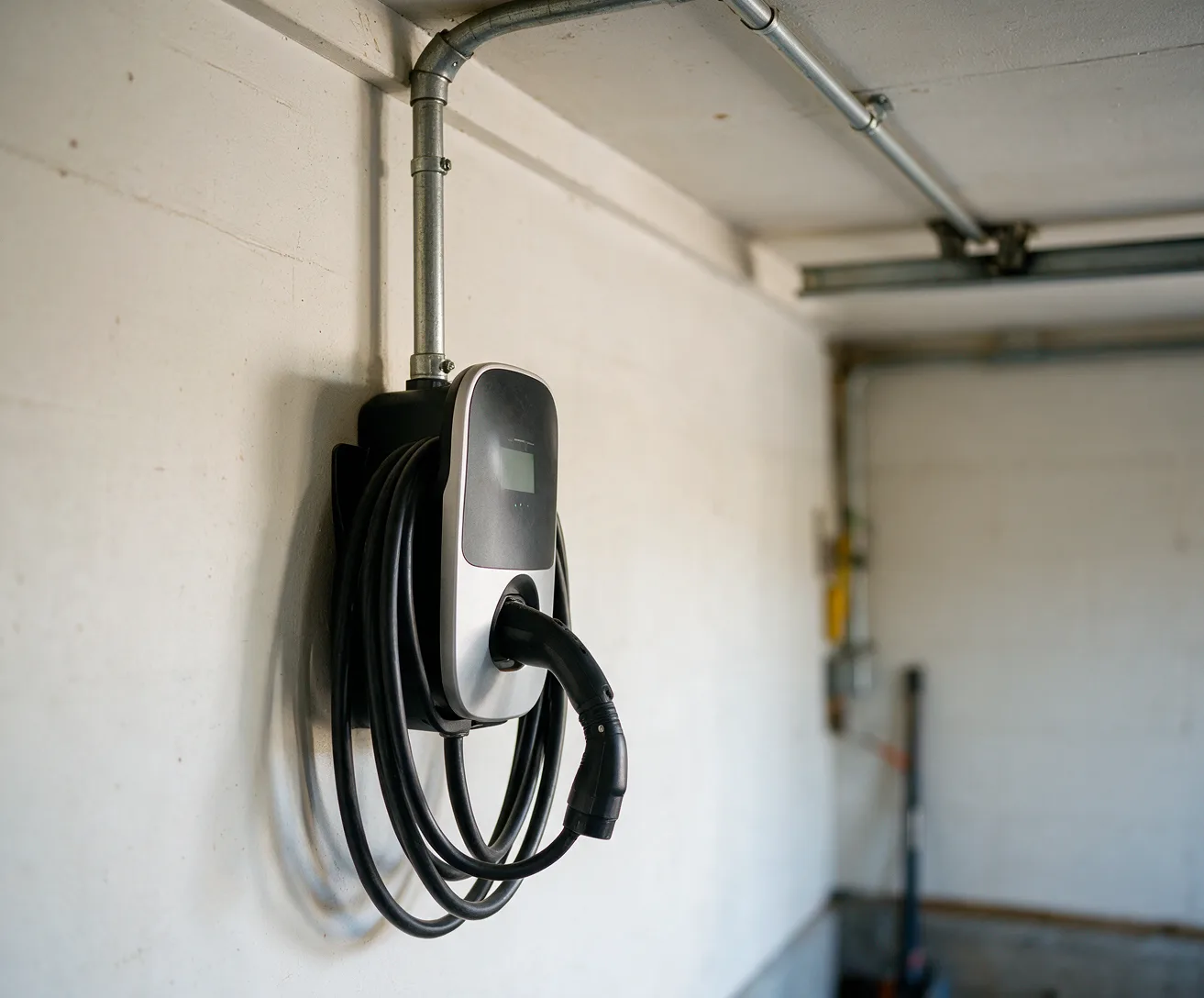
A wall charger in a garage

EV Charger Installation

Chargers draw continuous current so the circuit must be sized at 125 percent of the charger rating. Technicians run dedicated conductors in conduit to a weatherproof disconnect and verify the panel bus can accept the added load without exceeding 80 percent.

Matching symptoms to the correct service

A tripped main breaker with no power in half the house points to a panel or feeder issue while repeated single-breaker trips indicate a branch fault that needs tracing from the outlet back to the panel. Smell of hot insulation requires immediate isolation of the circuit at the breaker.

Flickering lights that stop when large appliances run suggest an overloaded circuit or loose neutral while a generator that fails to start under load usually needs a recalculated demand or transfer switch adjustment. EV charger install begins only after confirming available panel capacity.

Talk to Masters Electric

Call (888) 207-3104