
Generator Installation in the USA
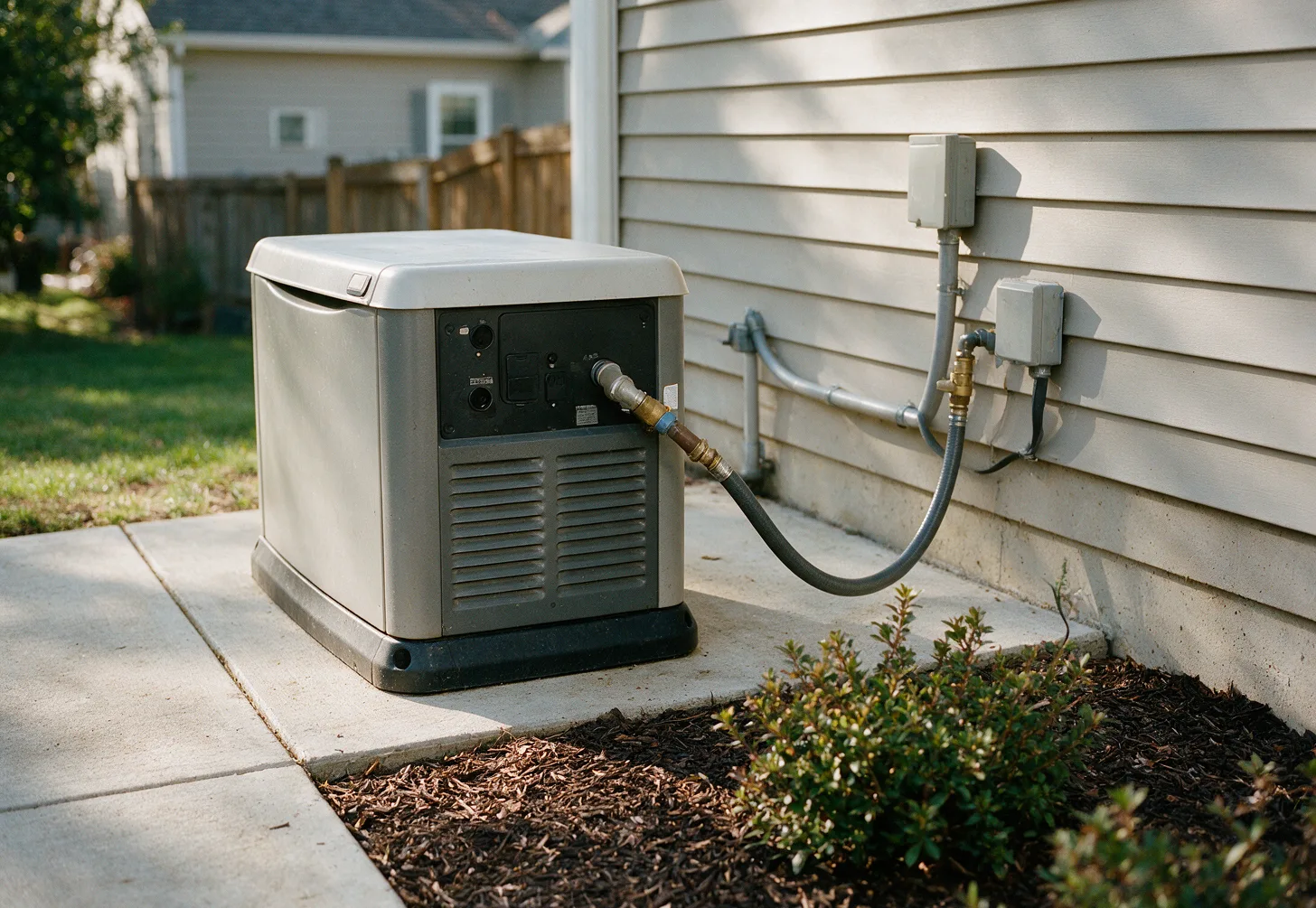
Masters Electric installs standby generators that start automatically when utility power drops. Our technicians calculate the amperage needed for critical circuits such as refrigerators, medical equipment, and sump pumps before selecting the correct fuel type and kilowatt rating. Proper placement keeps exhaust away from windows and air intakes while meeting clearance rules for the chosen fuel source.
We route the generator feeder through an automatic transfer switch that isolates the house from the utility grid during operation. This prevents backfeed into power lines and protects line workers. Technicians also verify grounding electrode connections and install surge protection on the generator output to guard sensitive electronics from voltage spikes when the unit engages. Masters Electric addresses generator installation concerns for properties located all over the USA.
Signs a Generator May Be Needed
- Utility outages last longer than a few hours repeatedly.
- Sump pump stops during storms and water enters the basement.
- Medical devices lose power and create immediate safety risks.
- Food in freezers spoils after every extended blackout.
- Security systems and lighting remain off through the night.
Common Causes of Extended Outages
Storms down trees onto overhead lines and damage transformers. Ice loading snaps conductors while high winds twist poles. Underground faults from excavation or flooding leave neighborhoods dark until crews complete repairs that can take days. These events leave refrigerators off and well pumps inactive.
Aging substation equipment or overloaded feeders can trip during peak demand and stay off until utility crews restore service. Homeowners with only flashlights and no backup source face spoiled groceries and interrupted medical routines when outages stretch past twenty four hours.
What Technicians Inspect Before Installation
Technicians first measure the main service amperage and list every circuit that must stay energized. They calculate starting and running watts for motors such as well pumps and air handlers. Voltage drop calculations determine the correct feeder conductor size between the generator and transfer switch.
They also check the existing grounding electrode system and confirm the service neutral remains solidly bonded only at the main panel. Fuel line sizing and pressure tests are performed when natural gas or propane is chosen. Exhaust routing is planned to maintain required clearances from building openings.
Installation Options and Materials Used
Whole house units connect through a service rated automatic transfer switch that replaces the existing main breaker. Partial coverage installs use a smaller transfer switch that feeds only a subpanel of selected circuits. Both methods require appropriately sized copper or aluminum conductors rated for the generator output amperage.
Technicians mount the generator on a concrete pad or composite base and install a battery charger powered from the utility side. A critical loads subpanel isolates essential circuits so the generator does not attempt to start every motor in the house at once.
Steps Homeowners Take Before Technicians Arrive
Locate the main breaker panel and note which circuits power refrigerators, freezers, and any medical equipment. Record the amperage rating on the main breaker and photograph the label inside the panel door. Keep the area around the electrical service clear so the transfer switch can be mounted without obstruction.
If an outage is already underway, turn off nonessential breakers to reduce load. Never attempt to connect a portable generator directly to household wiring. Open windows slightly if a portable unit must run temporarily and place it well away from the structure to avoid carbon monoxide entry.
Generator Installation questions
How is generator size determined?
Technicians add the running watts of all essential motors and appliances then multiply by 1.5 to cover startup surges. They confirm the result against the generator nameplate and verify the transfer switch rating matches the calculated load before ordering equipment.
What fuel sources are available?
Natural gas offers automatic refueling from the utility line. Propane tanks provide an on site supply that can be sized for several days of runtime. Diesel units deliver higher output for larger homes but require on site fuel storage and regular maintenance to prevent gelling in cold weather.
Is a transfer switch required?
Yes. The transfer switch prevents simultaneous connection to the utility and generator. It also isolates the house neutral and grounds during generator operation, satisfying utility interconnection rules and protecting repair crews working on downed lines.
What maintenance follows installation?
Technicians recommend monthly no load starts to exercise the engine and battery. Oil and filter changes follow manufacturer intervals while fuel filters are replaced seasonally on diesel models. Battery voltage and connections are checked each visit to ensure reliable cranking during the next outage.
Generator Installation Across the USA
Contact Masters Electric to schedule a load assessment and discuss generator options that match your home circuits.